Toronto
October 3, 2026
Toronto rewards those that pay attention. It stretches along Lake Ontario, with neighborhoods that change fast and a skyline that never really sits still. From Kensington Market to the Beaches, and out through Hamilton, Waterloo, and Ottawa, people here are building, shipping, and making things happen. Come hang out, talk shop, eat well, and see what the community is working on.
XO Ruby is a single-day, single-track conference designed to draw folks in from the city and the region. An approachable $100 ticket price coupled with no need for a hotel or airfare means you can connect with your community without breaking the bank.







Registration
Welcome
Fish Bowl Game
Break
The Man Who Built a Brain
Paolo Perrotta
Computer programming comes from a dream and a war. The dream is the notion that a machine can think. The war is an intellectual clash between two rival factions. It lasted for over 60 years, and it shaped today's computing.
The first faction, the "symbolists", gave us modern programming languages, Ruby included. The other faction, the "connectionists", were disgraced for decades, only to come back with a vengeance in recent years.
The story of those two factions involved a lot of geeky inventions, technical challenges, and good old-fashioned human flaws. It's an amazing story that every programmer should know. Let me tell it, with some juicy technical details.
The Chief Agent Officer
Mohammad Moahid
How to Manage a Workforce of AI Agents
Ruby teams can already build agents that call tools, query records, and kick off jobs. The harder problem begins when several agents share context, touch the same systems, and ask for permission at different moments. Someone has to assign the work, carry state between steps, decide which actions can run unattended, and know when a person must step in.
Lunch
Building Solve Canada
Ahmed Nadar
Solve Canada started as one Rails app solving one problem in one place. This talk covers what happened between then and now: the choices that let the app take on five more cities without a rewrite, the point where six cities became a country, and the tradeoffs that held at city scale but broke at national scale.
Agent Mission Control: Watching Your AI Agents Work, Live
Subhashree Parthasarathy
Your AI agents are working right now: writing code, running tests, opening PRs, mostly invisible. In this live demo, Subhashree shows a Rails app built to make that visible: live status, current task, and a running log and timeline for every agent, updating in real time.
Break
Stop being the boss you hate
Michael Carroll
Build AI functions, not chatbots
Most AI agents get built like chatbots. A human sits in the loop for every decision, and every conversation starts from a fresh context. This talk makes the case for designing AI like software functions instead: an input, an output, and a process in between that gets tuned over time. It covers why chat UX pushes engineers into that antipattern, what an AI function looks like in Ruby, and how to debug and evaluate one in production.
Don't Make Your Developers Think About Observability
Roel Bondoc
The best observability tooling is the one developers don't have to think about. As a platform engineer, your job is to provide your team with reliable tools and systems to help them succeed. In this talk, we'll dive into some practical examples of how to design your software with observability baked in and how to get value from your data after it has landed.
Break
One Monolith, Two Countries
Kristine McBride
Going Multi-Region Without a Rewrite
Our team was tasked with building a new internal tools platform for many teams across the company. There was just one problem. Our monolith ran as two separate deployments, one for the US and one for Canada, and each only ever talked to its own database. This new platform needed to display US and Canada data together in one place. So we had a decision to make: spin up a separate external app, or lean into the monolith and do the infrastructure work to turn it into a multi-region app. We chose the monolith.
Closing

Ahmed Nadar
Ahmed Nadar built Solve Canada, a civic-tech platform that started as one Rails app solving one problem in one city. It grew into infrastructure running across six cities, then scaled into a platform serving the whole country. He told the civic side of that story at Civic Tech Toronto in July 2026. At XO Ruby, he's telling the builder's side: what it took to get there.
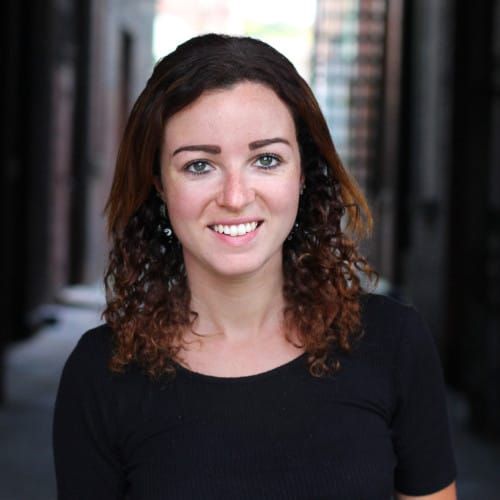
Kristine McBride
Kristine McBride is an Engineering Manager at Fullscript, a healthcare platform built on a large Ruby on Rails monolith. She joined in 2021 as a full stack engineer working primarily in Ruby and spent several years on product-focused teams before moving into engineering management. She is currently leading the team migrating Fullscript's legacy internal admin platform to a new internal tools application.
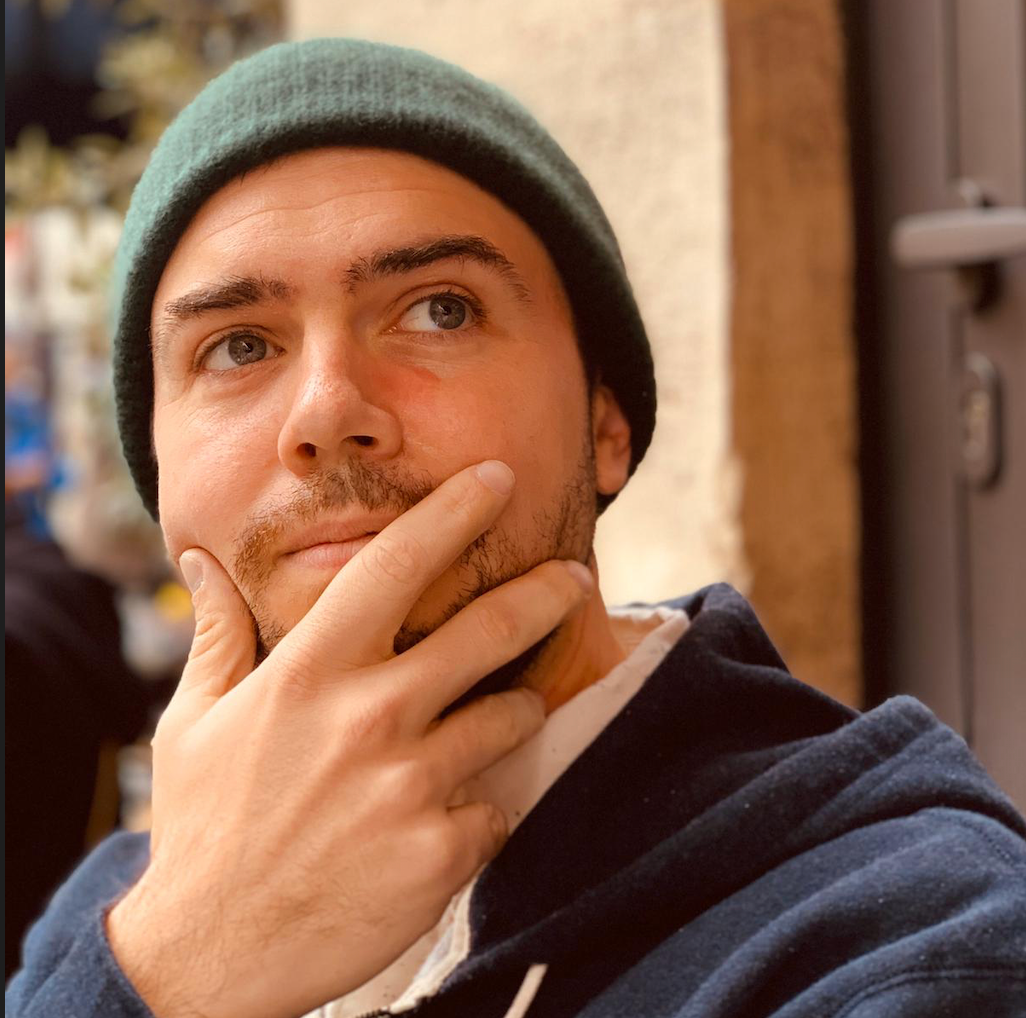
Michael Carroll
Michael Carroll is the founder of Coolhand Labs, which removes the drudge work of maintaining your AI agents — so your team can focus on building. Previously VP Engineering at Teladoc Health, and founder of RubiconMD, acquired by Oak Street Health in 2021.
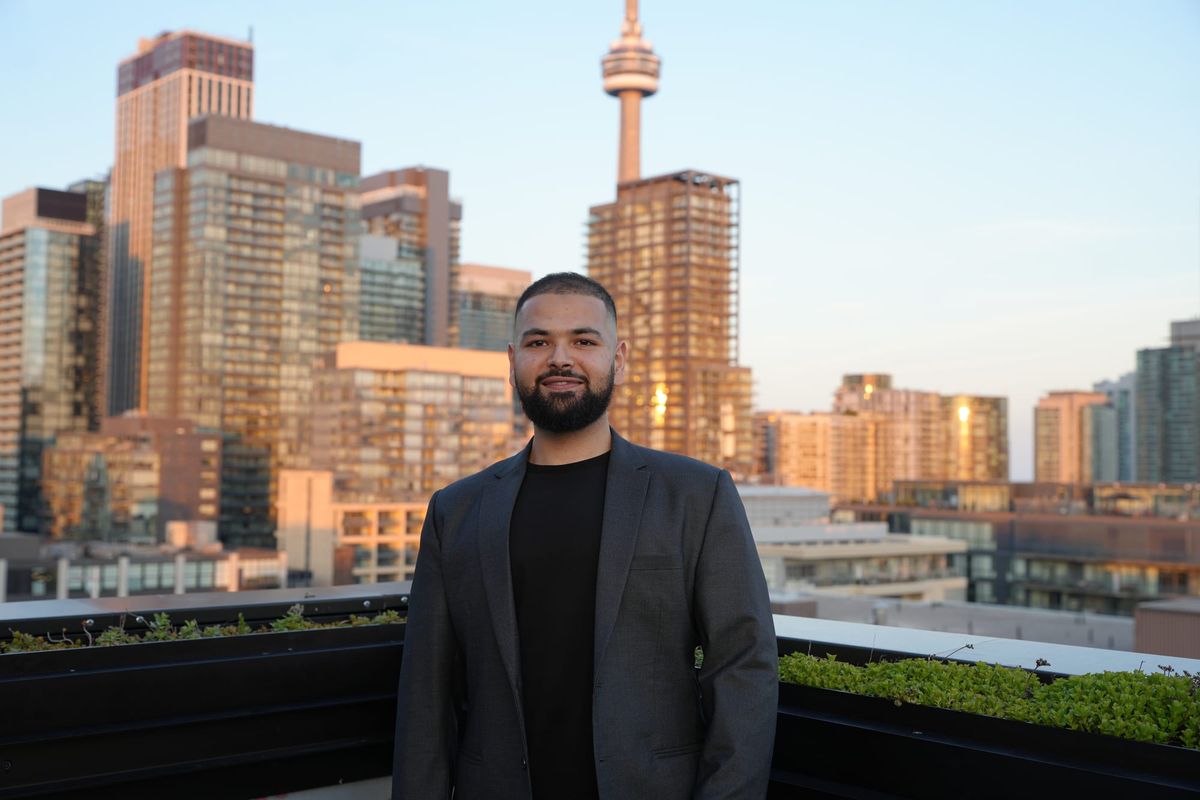
Mohammad Moahid
Mohammad “Mo” Moahid is co-founder and Co-CEO of Zero To Agent, where he helps established companies redesign work around AI agents. He first wrote publicly about AI in 2017, then spent the next decade learning what responsible automation requires by building and operating real businesses. Along the way, he scaled and sold an events company, led consumer growth, and took on capital and operating responsibilities across seven family-run companies. That experience shaped his focus today: moving AI beyond impressive demos into systems with clear permissions, human review, and accountable owners. He also hosted Google's Global ML and AI Partner Lead during Toronto Tech Week 2026
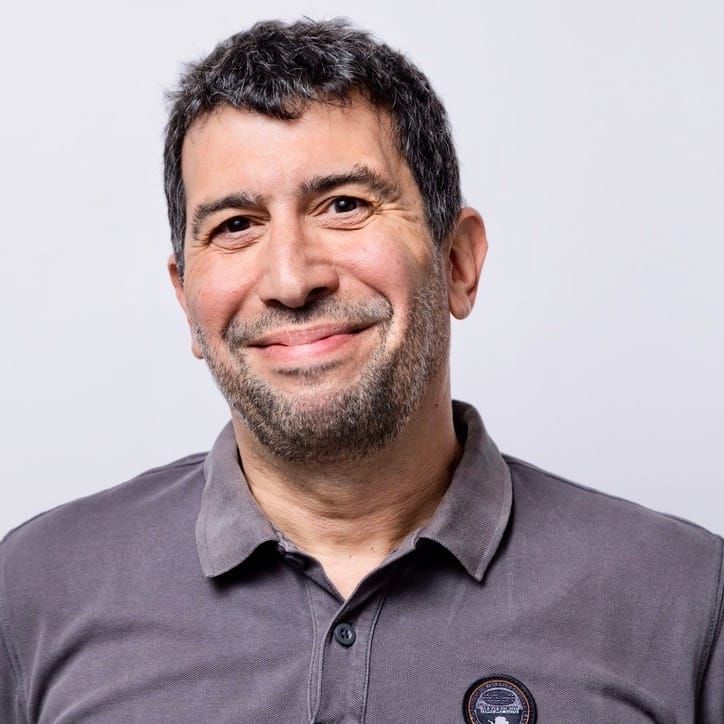
Paolo Perrotta
Paolo Perrotta is the author of "Metaprogramming Ruby" and "Programming Machine Learning". He has over thirty years of experience as a developer, ranging from embedded to enterprise software, computer games, and web applications. He lives in Bologna, Italy.
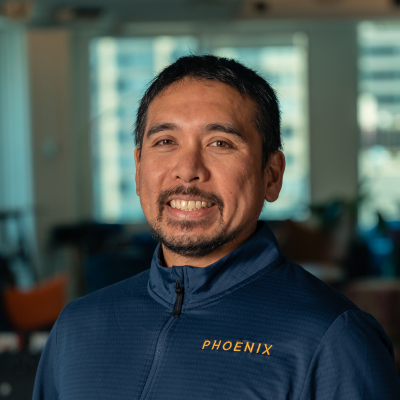
Roel Bondoc
Born and raised in Toronto, Roel is a Staff Software Engineer on the Platform team at Phoenix, where he works on tooling, data, and infrastructure. A longtime Rails developer, he enjoys exploring new technologies. When he’s not coding, he enjoys cycling, competitive video games, and spending time with his wife and three kids.
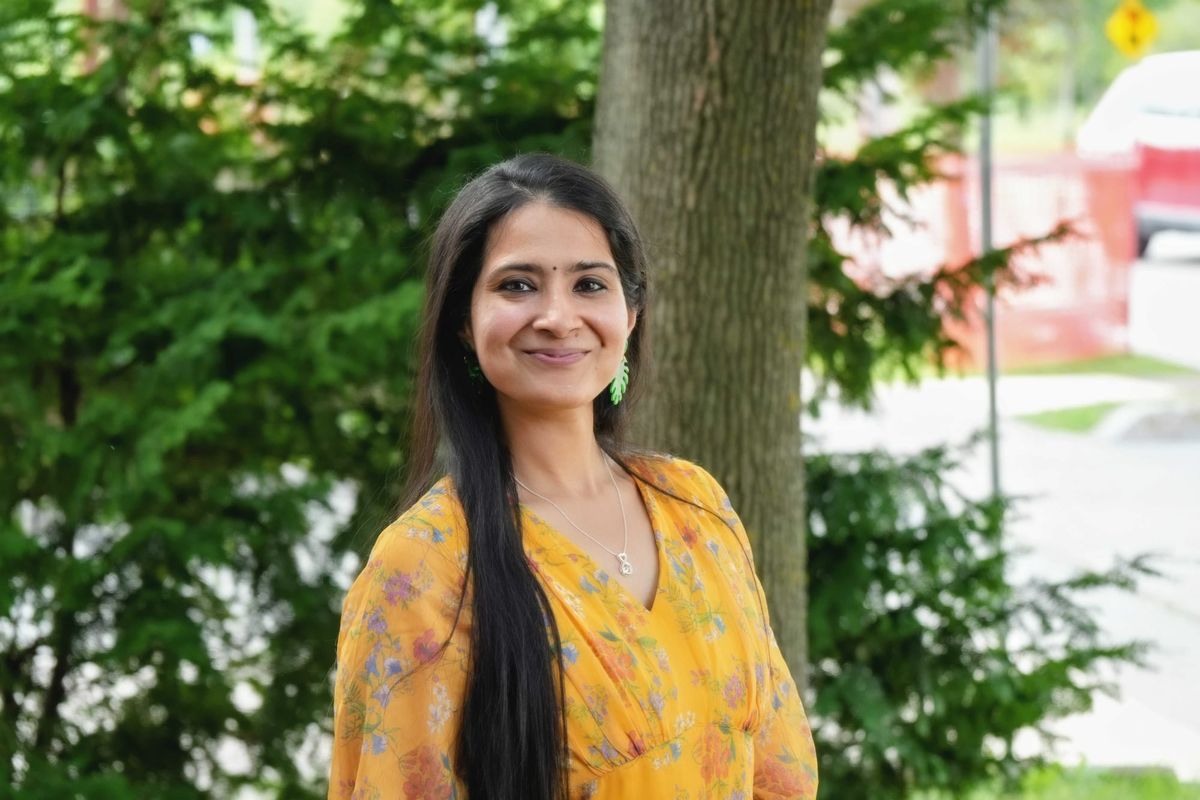
Subhashree Parthasarathy
Subhashree Parthasarathy started her career as a software engineer writing Ruby on Rails, and more than ten years later, she's still working in it. Now an engineering manager focused on platform and reporting, she's coming up on five years leading that work for an accounting software team. Outside work, she's mom to a two-year-old boy and paints whenever she finds a quiet moment.
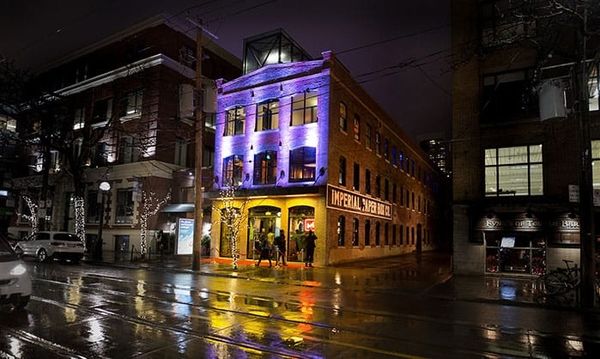
The Loft on King
485 King St W Fl 3, Toronto, Ontario M5V 3M4
Venue
The Loft on King is a third-floor loft space above the energy of King Street West, in Toronto's downtown fashion and entertainment district. With polished concrete floors, brick-and-beam architecture designed by Solid Design & Build, and a layout inspired by classic New York City lofts, the space pairs industrial character with blank-slate flexibility — plus a rooftop patio for stepping outside between sessions.
Transportation
Whether you drive or use public transit, The Loft on King provides flexible and convenient transportation options. The venue is accessible via the King streetcar (504/508), with a stop right at King St W & Portland St just steps from the door — the more practical route than the subway, since St. Andrew and Osgoode stations sit about 1.5 km further east. If you're driving, paid street and lot parking is available throughout the King West area.
Nearby
- Massey-Harris Lofts & Park
- Victoria Memorial Square
- The restaurants and bars at the King & Portland junction